Water Quality
How We Can Help You
Campbell Scientific's systems for unattended, long-term monitoring of water quality provide unmatched versatility and reliability. Our systems measure water quality in many natural and industrial environments including streams, watersheds, wells, caves, water/wastewater treatment plants, aquaculture operations, landfills, and processing plants. Key components of our systems include dataloggers, sensors, and communications peripherals, which are customized for each application.
Water Quality Monitoring System Benefits
- Water quality systems are customized by choosing number of channels, sensors, and communications method.
- Dataloggers can measure nearly every available sensor, including SDI-12.
- Control of samplers, injectors, and other devices is based on time, event, or measured conditions.
- Communications options include: radio, satellite (DCP), phone, and cellphone.
- Time-stamped data is recorded at programmable intervals.
- Low current drain allows long-term operation on batteries.
- Systems operate independently in harsh environments.
Dataloggers used in Water Quality Monitoring
Our dataloggers feature wide operating temperature ranges, low power consumption, and the ability to directly interface with a large variety of sensors. Because our dataloggers operate on batteries (with or without solar panels), they are ideal for long-term, stand-alone operation, such as at remote streams or wells. Most of our dataloggers are expandable using multiplexers and other peripherals. Data are typically displayed and stored in the desired units of measure (e.g., specific conductance as mS/m, µS/cm, Ohms).
Powerful on-board instruction sets allow unattended control decisions based on time or conditional events. For example, if measured water quality levels are outside a predetermined range, the datalogger can actuate water samplers, sound alarms, open valves, actuate injectors, and make a phone call to report conditions. The dataloggers can easily provide the necessary water sampler control to meet EPA-mandated first-flush and follow-up sample schedules. All data is time-stamped and data from event-triggered samples is marked for later analysis.
Sensors
Almost any sensor, individual or multiparameter, may be used with the system, allowing the system to be customized for each application. We helped create the original SDI-12 standard, so you can be sure our systems are SDI-12 compatible. In addition, nearly all available flow, level, and meteorological sensors can be measured, generally without external signal conditioning.
Communications
The availability of multiple telecommunications and on-site options for retrieving data also allows systems to be customized to meet exact needs. Options include: voice-synthesized phone, telephone, cellphone, satellite, radio, ethernet, short haul, meteor burst, coaxial cable, and storage module. Systems can be programmed to send alarms or report site conditions by calling out to computers, phones, radios, or pagers. Real-time or historical data can be displayed or processed with Campbell Scientific software. Data can also be exported as ASCII files for further processing by spreadsheets, databases, or analysis programs.
Products
Browse All ProductsMore Details
Data Loggers used in Water Quality Monitoring
Our data loggers feature wide operating temperature ranges, low power consumption, and the ability to directly interface with a large variety of sensors. Because our data loggers operate on batteries (with or without solar panels), they are ideal for long-term, stand-alone operation, such as at remote streams or wells. Most of our data loggers are expandable using multiplexers and other peripherals. Data are typically displayed and stored in the desired units of measure (e.g., specific conductance as mS/m, µS/cm, Ohms).
Powerful on-board instruction sets allow unattended control decisions based on time or conditional events. For example, if measured water quality levels are outside a predetermined range, the data logger can actuate water samplers, sound alarms, open valves, actuate injectors, and make a phone call to report conditions. The data loggers can easily provide the necessary water sampler control to meet EPA-mandated first-flush and follow-up sample schedules. All data is time-stamped and data from event-triggered samples is marked for later analysis.
Sensors
Almost any sensor, individual or multiparameter, may be used with the system, allowing the system to be customized for each application. We helped create the original SDI-12 standard, so you can be sure our systems are SDI-12 compatible. In addition, nearly all available flow, level, and meteorological sensors can be measured, generally without external signal conditioning.
Communications
The availability of multiple telecommunications and on-site options for retrieving data also allows systems to be customized to meet exact needs. Options include: voice-synthesized phone, telephone, cellphone, satellite, radio, ethernet, short haul, meteor burst, coaxial cable, and storage module. Systems can be programmed to send alarms or report site conditions by calling out to computers, phones, radios, or pagers. Real-time or historical data can be displayed or processed with Campbell Scientific software. Data can also be exported as ASCII files for further processing by spreadsheets, databases, or analysis programs.
Case Studies
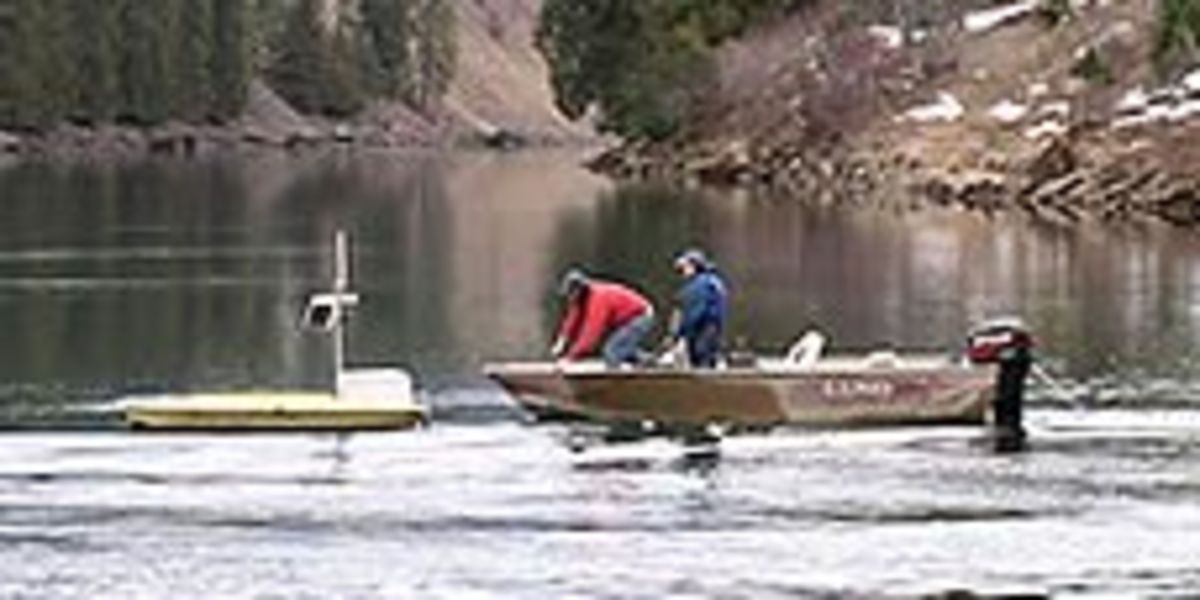
Monitoring total dissolved gas above and below power-generating facilities
Idaho: Watershed Turbidity Monitoring
Monitoring the Healing of a Watershed
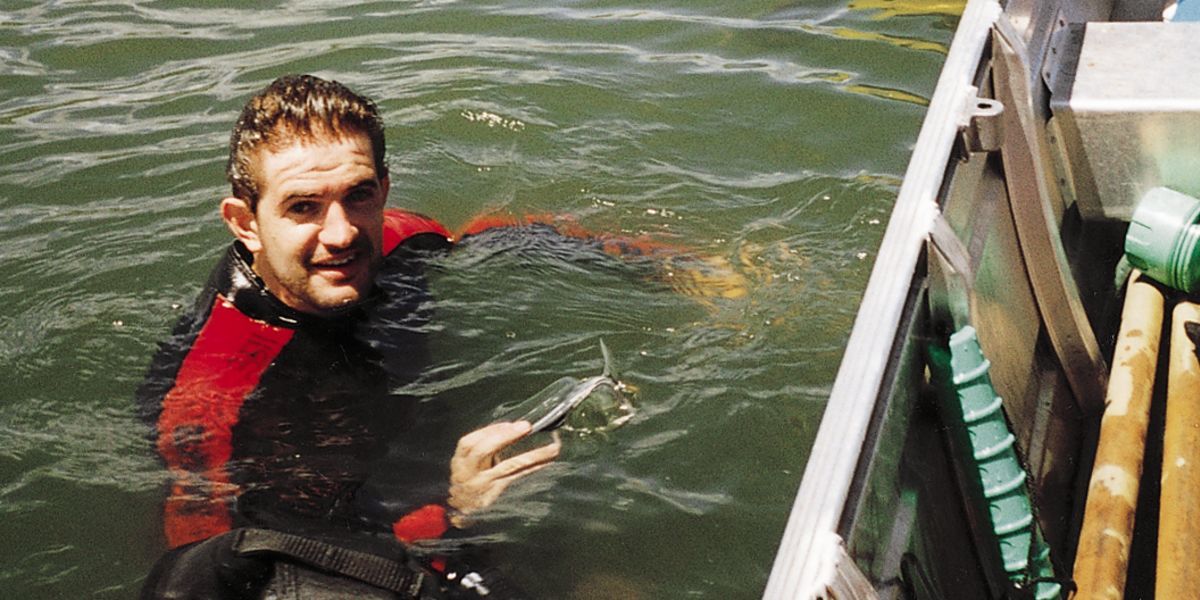
Australia: Buoy-Based Weather Station
Campbell Scientific documents spectacular one-in-200-year flood event in tropical Australia
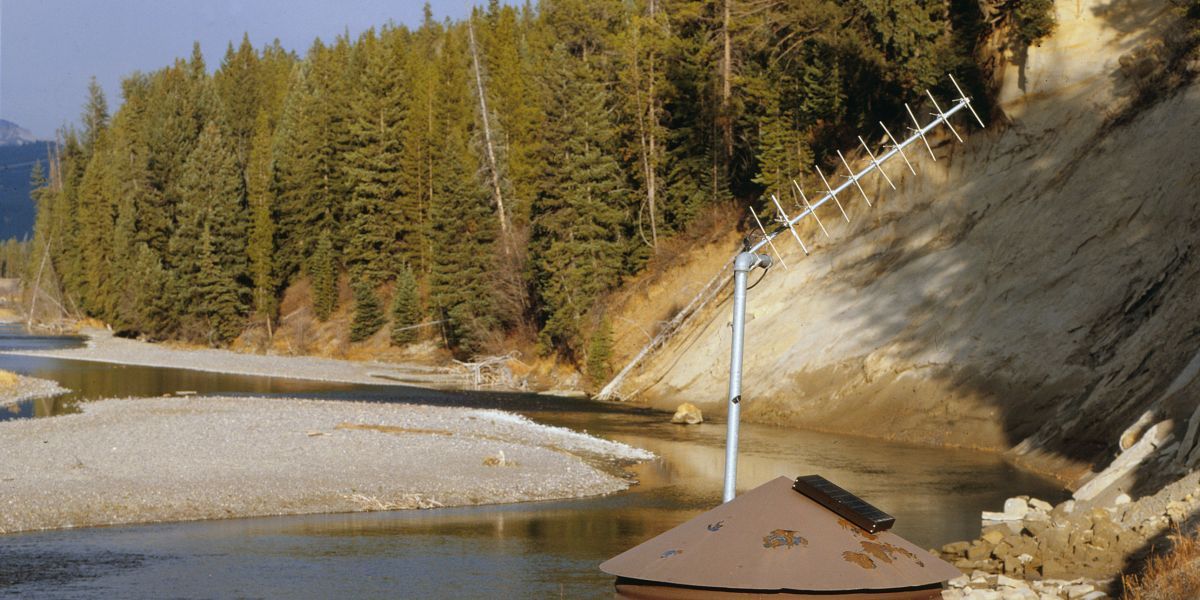
Texas: Well Water Quality at a Military Post
Tracking hazardous materials movement from a landfill