Structural and Geotechnical Instrumentation Training
Webinars, trade shows, training courses, and conferences
Structural and Geotechnical Instrumentation Training
The Structural and Geotechnical Instrumentation Training Course is a 5 day, comprehensive course suitable for both the experienced and the new user. This class will be based around the CR1000 datalogger and LoggerNet software. It differs from our standard CR1000/LoggerNet training class in the following ways:
-
It will emphasize applications and sensors for the Geotechnical and Structural monitoring market.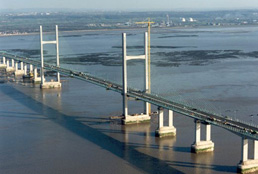
- There are 5 full days (~42 hours versus the CR1000 class's 24 hours) of class time, with two days going into the evening for hands-on experience using various sensors. One and a half class days will be spent on the different sensor types for measuring the various physical phenomena critical to these markets.
- Students will have some choice on the sensors that they get hands on training for.
- It will cover the various measurement technologies (Vibrating Wire, Pulse , 4- 20 mA, etc.).
- It will cover the phenomena (force, strain, temperature, etc.) to be measured, and the advantages/disadvantages of the different measurement techniques (learned in a previous section) to measure the phenomena. In this section the student will get the opportunity for hands-on training on the setup/wiring/measurement for the following list of sensors (subject to change based on class input):
| Vibrating Wire Piezometers Foil Bonded Strain Gages Vibrating Wire Strain Sensors Piezo-Resisitive Accelerometers Soil Moisture Sensors Crackmeters TDR Measurements Inclinometers Thermistors | Load Cells Foil Bonded Strain Sensors Amplified Strain Transducers Piezo-Electric Accelerometer SVolumetric Soil Water Content Sensors LVDTs Measurand Shape Array Sensor Networks Tilt Sensors Concrete Corrosion Sensor |
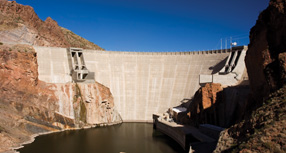 The first two and half days will cover instrumentation system options, CRBasic programming, and PakBus networking. The next one and half days will be spent on the different sensor types and measurement techniques for monitoring the physical phenomena critical to geotechnical and structural instrumentation. The last day will cover advanced measurement topics. The Tuesday and Thursday 2-hour evening break-out sessions are designed to allow individual students the opportunity to get hands-on training on 3 to 4 specific sensors or applications per night. Tentative break-out sessions are listed below:
| Tuesday's Break-out Session | Thursday's Break-out Session |
| Cellular Phones Setup PakBus Mesh Networking 4-20 mA Measurements Pulse Measurements SDI-12 Sensors Serial Sensors Piezoelectric Accelerometers High Speed Filtered Measurements | Vibrating Wire Strain Sensors Foil Bonded Strain Transducers Amplified Strain Transducers Vibrating Wire Piezometers Load Cells TDR Measurements Measurand Shape Array Sensor Networks Soil Moisture Sensors |
The training course is taught by Campbell Scientific Application Experts. Class size is limited to ensure personalized instruction and assistance. "Hands-on" programming exercises and course handouts are used to reinforce the concepts covered by the instructors.
Course fees include a training manual and the use of a datalogger, computer, and sensors. Lunch will be provided all course days, and a light dinner will be provided on Tuesday and Thursday. A brief course outline is listed below:
|
|
3.8 Continuing Education Units (CEUs) will be granted.
Occasionally, a class may not meet our low-enrollment requirements (5 person minimum). In such cases, we reserve the right to cancel the class session and any training fees already paid will be refunded. We will attempt to provide ten days notice if a class is canceled.
COURSE REGISTRATION
Confirm availability then click on the Seats Available link above. You will receive notification, via e-mail or fax, that your registration form has been received. You are not registered until you have received either a faxed or e-mail confirmation. Someone will contact you regarding payment.